What is the Right Age to Start UPSC Preparation in 2025?

What is the Right Age to Start UPSC Preparation in 2025? – Complete Guide for Aspirants
One of the most common questions asked by UPSC aspirants is:
“What is the right age to start UPSC preparation?”
The truth is — there is no fixed perfect age, but different age groups have different advantages and challenges.
UPSC preparation is not only about age; it is about consistency, discipline, and smart strategy.
Still, understanding the ideal age window helps in planning attempts effectively.
Let’s explore the right age to begin preparation in 2025.
Minimum Age & Eligibility (UPSC 2025)
-
Minimum age to appear → 21 years
-
Maximum age (General) → 32 years
-
OBC → 35 years
-
SC/ST → 37 years
-
Minimum qualification → Graduation (any stream)
👉 Isse pehle UPSC ka exam nahi de sakte, but preparation start kar sakte ho.
Should You Start UPSC Preparation in School?
Yes — basics can be built from school itself.
How to Start in School (Class 9–12):
-
Read NCERTs regularly (History, Polity, Geography, Economics).
-
Improve writing skills (English or Hindi).
-
Build reading habit with newspapers.
-
Watch educational documentaries & news analysis.
-
Participate in debates, quiz competitions — improves thinking power.
💡 School level preparation = foundation building (NO coaching needed).
How to Start UPSC Preparation in College (Best Time)
College is considered the most ideal phase to start preparation.
Why College is the Best Time?
-
More time
-
Flexible schedule
-
No job pressure
-
Easy to read NCERTs + standard books
-
Can give 1–2 attempts before turning 23/24
College Strategy (1st–3rd Year):
-
Complete NCERTs (6th to 12th).
-
Select fav optional and start basic reading.
-
Start reading The Hindu / Indian Express.
-
Build note-making habit.
-
Give sectional MCQs weekly.
💡 By graduation, your base gets solid and grinding becomes easier.
18–22 Age Group Strategy (Early Starters)
This group has the highest success rate because they get more attempts.
Advantages:
-
More time
-
More attempts
-
Fast learning ability
-
No family/job pressure
Strategy:
-
18–19: NCERTs + newspaper + basic books
-
20–21: Standard books + mains answer writing
-
22: Full syllabus + optional + mock tests
-
21/22 age: First attempt (if ready)
💡 Even if the first attempt fails, knowledge remains for future attempts.
22–26 Age Group Strategy (Most Common Selection Age)
This age group is considered the “ideal balance age” for UPSC.
Why this is ideal?
-
Maturity to understand concepts
-
Completion of graduation
-
Discipline + seriousness
-
Better current affairs understanding
Strategy:
-
22–23: Clear syllabus, optional subject finalized
-
23–24: Test series + intense revision
-
24–26: 2–3 serious attempts
💡 Maximum toppers fall in this age group.
26–32 Age Group Strategy (Late Starters)
This group has less attempts, but selection ratio is still high due to maturity & dedication.
Challenges:
-
Limited attempts
-
Family or job pressure
-
Less flexibility
Strategy:
-
Follow smart preparation
-
Reduce booklist
-
Focus on test-based, targeted study
-
Prioritize optional scoring patterns
💡 Late starters crack the exam through smart planning, not hard labour.
UPSC Preparation for Working Professionals (2025 Plan)
Working professionals face time constraints but have stability and discipline.
Challenges:
-
Limited study time
-
Mental fatigue after work
-
Weekend dependence
Smart Strategy (Golden Rule: 3–4 hours/day):
Weekdays Plan:
-
2 hours: GS static
-
1 hour: Current affairs
-
30 mins: Optional notes/book
Weekend Plan:
-
6–7 hours/day for optional
-
Mock test + revision
Best Tools for Working Professionals:
-
Online classes
-
Recorded lectures
-
Early morning study (most effective)
💡 Working professionals get selected because of consistency, not long hours.
Age vs Attempt Management (VERY IMPORTANT)
UPSC allows limited attempts:
-
General: 6 attempts
-
OBC: 9 attempts
-
SC/ST: Unlimited till age limit
How to Plan Attempts by Age?
Below 21:
✔ Build foundation
❌ No attempt possible
21–23:
✔ 1–2 learning attempts
✔ Try for prelims experience
23–26:
✔ 2–3 serious attempts
✔ High chance of cracking
26–29:
✔ Target full-syllabus attempts
✔ Use test-based strategy
29–32:
✔ Only targeted preparation
✔ Focus on optional + PYQs
💡 UPSC is as much about planning attempts as studying.
So, What Is the BEST Age to Start UPSC Preparation in 2025?
👉 College years (18–22) = Best for foundation
👉 22–26 = Best for serious preparation
👉 26–32 = Best for smart strategy-based attempts
The right age is when you are mentally ready, disciplined, and consistent — age is secondary.
Also Read This - How to Start UPSC Preparation from Zero
0 Comments
No comments yet. Be the first to comment!
Reply to this Post
Newsletter
Letest Posts
Basic Guide to Start Preparation for IAS & IPS
UPSC | 1 months ago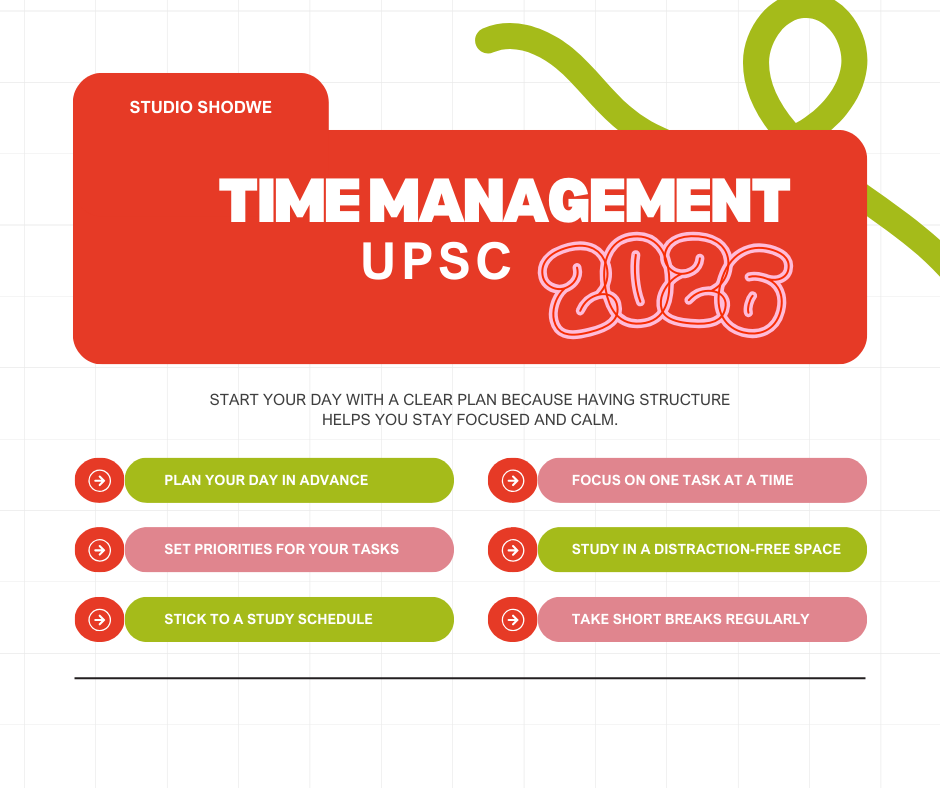
CSAT Preparation Time Table for UPSC 2026 – 30 / 60 / 90 Day Plan
UPSC | 1 months ago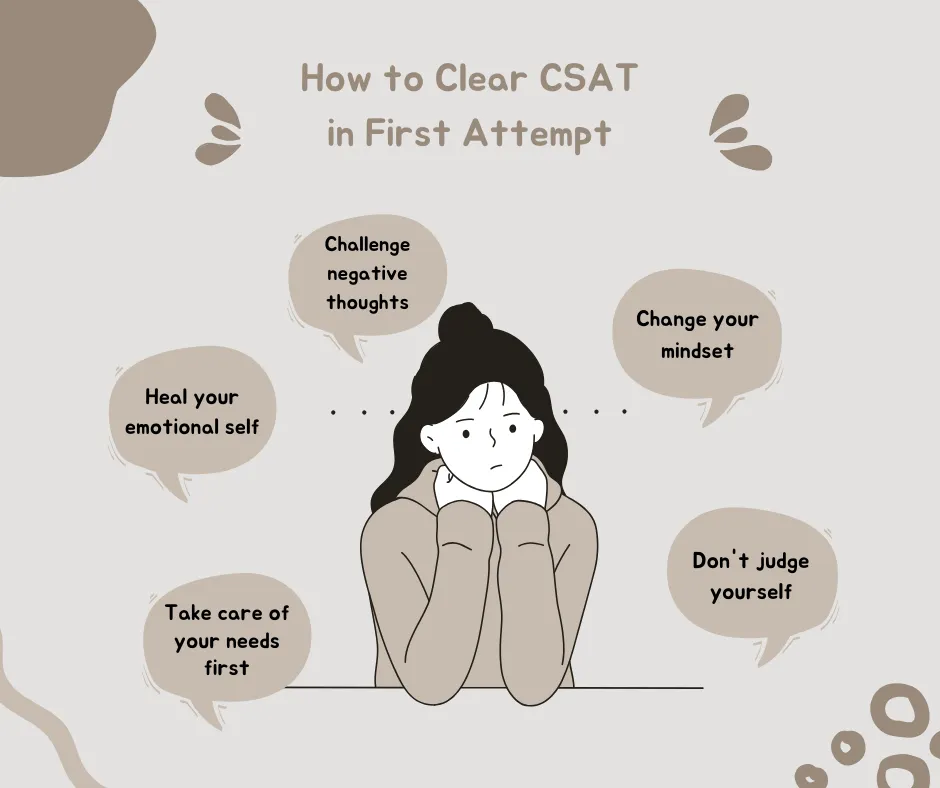
How to Clear CSAT in First Attempt
UPSC | 1 months ago