Lodhi Samaj Scholarship Test Result Out 2026

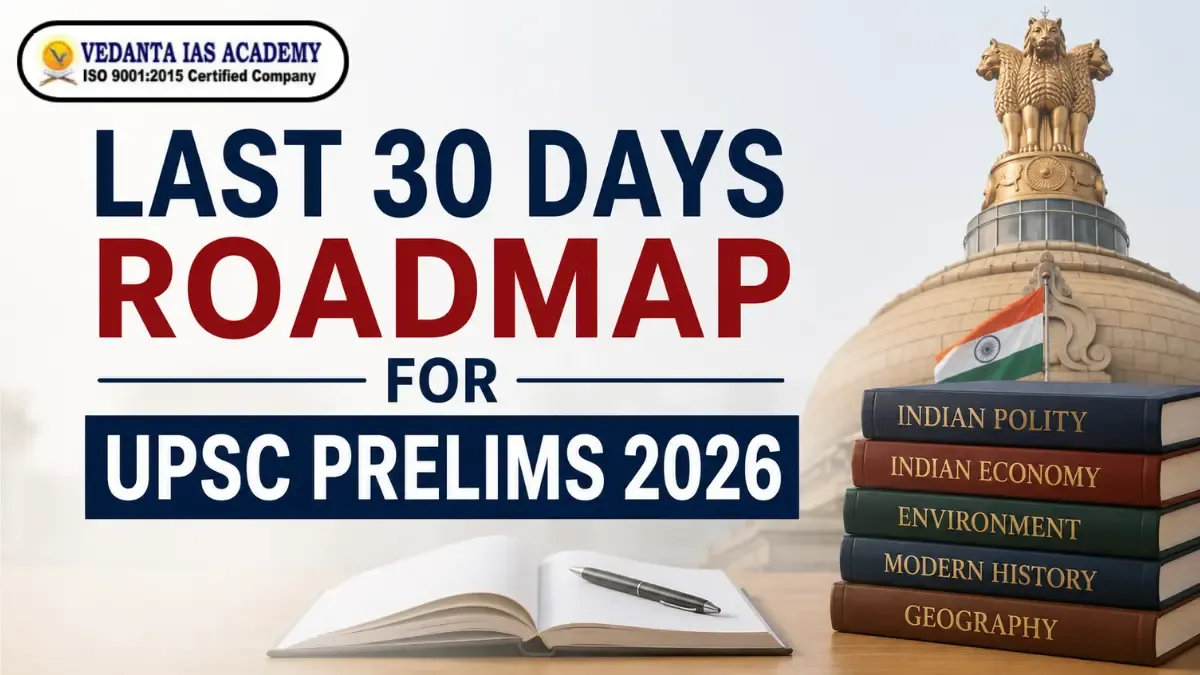

Preparing for the UPSC Prelims 2026 exam in the last 30 days can feel stressful. Many students start feeling nervous because the exam is very close. But this is also the most important time for smart preparation. If you use the right strategy, revise properly, and stay calm, you can improve your score a lot.
The last month before the exam is not for learning completely new things. It’s mainly for revision, mock tests, and improving accuracy. A smart study plan can help you avoid confusion and save time.
In this blog, let’s understand a simple and practical last 30 days roadmap for UPSC Prelims 2026 that can help you get better results.
The final 30 days are very important because this is the time when your preparation becomes strong. Many students study for months, but they don’t revise properly in the last month. Because of this, they forget important facts in the exam hall.
In these final days, your focus should be on:
This period can increase your confidence if you use it wisely. Even small improvements in accuracy can help you clear the cutoff.
One important thing to remember is this: don’t compare yourself with others. Focus only on your own plan.
You can also read our guide on “Top Mistakes to Avoid in UPSC Prelims Preparation” to avoid common errors during the final revision stage.
A two-phase study plan works very well for UPSC Prelims preparation.
In the first 20 days, focus mainly on revision and mock practice.
What You Should Do:
This phase is for strengthening your preparation. Don’t spend too much time on difficult new topics.
Try to revise:
Make short revision notes if needed. These notes will help in the final days.
The final 10 days should be lighter and smarter.
Now your focus should be:
Avoid studying new books now. Trust your preparation.
In these last days:
This is also the best time to improve confidence.
Check our detailed article on “How to Revise Current Affairs for UPSC Prelims” for better revision planning.
Many students make one big mistake in the last month. They try to study everything again from the beginning. This creates stress and confusion.
The right strategy is simple:
You don’t need 14–15 hours of study every day. Instead, study with focus. Even 8–10 quality hours are enough if you stay consistent.
Here’s a simple daily routine you can follow:
Morning
Afternoon
Evening
Night
This balanced plan helps you stay fresh and avoid burnout.
Every subject needs a different revision style. Let’s understand them one by one.
History
Focus more on:
Use timelines and short notes for quick revision.
Polity
Polity is scoring if revised properly.
Focus on:
Revise important articles and amendments carefully.
Geography
For Geography:
Atlas practice is very useful.
Economy
Many students fear the economy, but simple revision helps a lot.
Focus on:
Don’t go too deep into advanced concepts now.
Environment and Ecology
This section is very important in UPSC Prelims.
Focus on:
Environment questions are often current-affairs based.
Science and Technology
Prepare only important topics:
Focus mainly on current-based science topics.
You can also read our guide on “Best Books for UPSC Prelims 2026 Preparation” to choose the right study material.
Current affairs play a major role in UPSC Prelims.
But in the last 30 days, don’t start reading daily newspapers from the beginning. Instead:
Try to revise current affairs multiple times instead of reading too many sources.
A smart tip is to combine current affairs with static subjects. For example:
This improves understanding and memory.
Mock tests are very important for UPSC Prelims success.
But only giving tests is not enough. You must analyze your mistakes carefully.
Ideal Mock Test Plan
After every mock:
Mock tests help you:
Don’t feel sad if your scores are low in mocks. Use them as learning tools.
Also practice OMR filling carefully because small mistakes can cost marks in the real exam.
The Last 30 Days Roadmap for UPSC Prelims 2026 is all about smart revision, regular mock tests, and staying calm. You don’t need to study everything again. You only need a clear strategy and proper consistency. Focus on revision, practice MCQs daily, and trust your preparation. Avoid panic and don’t waste time comparing yourself with others.
Remember, many students clear UPSC because of smart work in the final month. If you stay disciplined and confident, you can also achieve a better result in UPSC Prelims 2026.
Keep revising, stay positive, and give your best effort every single day.
No comments yet. Be the first to comment!